SHE HAD THE DEGREES. THE TRACK RECORD. THE RESULTS. AND SHE WAS STILL BEING UNDERESTIMATED.
Anyana Banerjee had an undergraduate degree, a master’s and a doctorate.
She had delivered strong results.
She knew she was good at what she did.
And then organizational dynamics blindsided her.
She found herself sidelined in decisions, underestimated by people around her and increasingly frustrated by the gap between the leader she knew herself to be and the way she was being treated.
Working harder wasn’t fixing it.
Eventually, something did.
Anyana changed how she showed up when the stakes were highest and went on to secure a six-figure leadership offer.
But what happened after she got the job may be even more revealing.
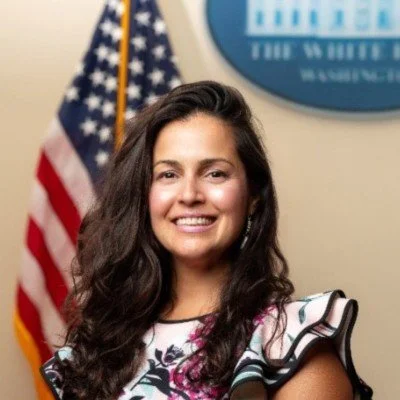
BUT THAT’S NOT WHERE THE STORY STARTED.
Anyana wasn't suffering from a lack of qualifications.
If anything, she had spent years accumulating evidence that she belonged.
The problem was what happened when that evidence met pressure.
Executive conversations.
Interviews.
Moments when she felt scrutinized or underestimated.
The more Anyana felt she had to demonstrate her value, the more energy went into proving that she belonged.
And that was affecting how other people experienced her.
Not dramatically.
Not in some obvious way someone could have easily pointed out to her.
But enough to matter.
SO THE STRATEGY CHANGED.
Anyana didn't need another credential.
She didn't need better rehearsed answers.
And she didn't need to become louder or more aggressive.
She needed to stop entering consequential conversations as though her value were still up for debate.
We worked on what happened when the pressure rose — how she interpreted the room, how she responded and where she placed her attention.
Instead of trying to demonstrate expertise by having the perfect answer, Anyana began using her expertise to understand the problem in front of her.
She describes the difference simply:
“Instead of proving my worth, I showed my expertise by the questions I asked — that changed everything.”
Interviews stopped feeling like interrogations.
The conversations became more consultative.
And Anyana stopped spending so much energy trying to convince people she belonged in the room.
THEN THE OUTCOME CHANGED.
Anyana received a six-figure leadership offer.
But something else happened during the interview process that mattered enormously once she actually started the job.
She had established a different relationship with the people hiring her.
They weren't bringing her in tentatively.
They trusted her.
“The interview not only served me to get the job, but it’s serving me as I enter. I’ve never had this much freedom and goodwill starting a new role before.”
Freedom. Goodwill. Trust.
She wasn't beginning another role with something to prove.
She was beginning it with room to lead.
And the shift went beyond work.
Anyana's husband noticed it too:
“My husband said he noticed my suffering shifted.”
HERE’S THE PART THAT MATTERS FOR YOUR CAREER.
A professional setback can do something dangerous to an accomplished person.
You get passed over.
Blindsided by politics.
Excluded from a decision.
A new boss suddenly seems to see you differently.
An interview goes badly when you know you're qualified.
And because you're intelligent and conscientious, you respond by trying to get better.
More prepared.
More careful.
More impressive.
More determined to prove the value you know is there.
But sometimes that response becomes part of the problem.
You start walking into important rooms trying to establish something that should already be assumed.
Anyana didn't suddenly become smarter.
Her credentials didn't change.
Her experience didn't change.
What changed was how she operated when those things were being evaluated.
Your underlying problem may be completely different.
Maybe you've been blindsided by organizational politics.
Maybe one setback has shaken your confidence more than you'd like to admit.
Maybe interviews don't reflect how capable you are once you're actually doing the work.
Maybe you're entering important conversations overprepared and leaving them wondering why you didn't come across the way you wanted.
Or maybe you're doing everything you can think of to regain momentum and nothing seems to be changing.
That's precisely why I don't start with a predetermined solution.
I start by figuring out what's actually going on.
WHAT’S ACTUALLY GOING ON IN YOUR CAREER?
The Career Strategy Session is a 45-minute conversation designed to answer that question.
Bring me the situation, opportunity or decision you’re wrestling with.
We'll look at what's happening, identify the underlying issue, and determine what needs to change.